Neuroplasticity and the brain – why listening to affirmations actually works
 Lyndall Thomas
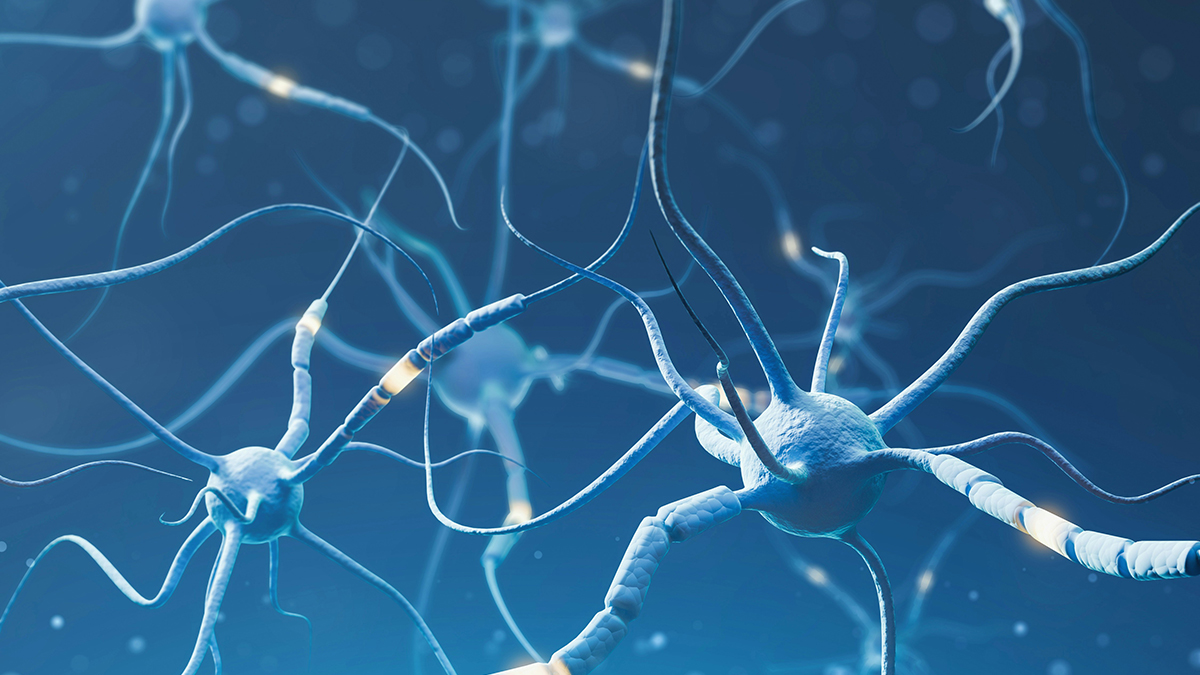
Why affirmations aren’t wishful thinking – and how understanding neuroplasticity changed the way I use affirmations in everyday life.
For a long time, I assumed the way my mind reacted under pressure was simply how I was wired.
I could recognise my patterns easily enough – the overthinking, the tension, the familiar spiral of self-doubt – but recognition didn’t create change. Knowing why something was happening didn’t mean I could respond differently when it mattered.
What shifted things for me was understanding how the brain actually works.
Contrary to what we once believed, the human brain is not fixed. It doesn’t stop changing once we reach adulthood or become ‘set in our ways’. Modern neuroscience shows that the brain is plastic – it adapts continuously in response to experience, attention and repetition. This capacity for change is known as neuroplasticity, and it explains why affirmations can be far more than positive thinking. They can shape how the brain responds and learns.
Neuroscience research describes neuroplasticity as the capacity of neurons and neural networks to change their connections and behaviour in response to new information, sensory stimulation, development, damage or dysfunction. This ongoing reorganisation allows the brain to adapt throughout life.
What neuroplasticity really means
Neuroplasticity – sometimes called brain plasticity – refers to the brain’s ability to reorganise its structure and function in response to learning, experience or injury. This includes strengthening existing neural connections, forming new ones and, when necessary, pruning away unused pathways.
Neurons that fire together wire together.
This is a biological process, not a metaphor. When you repeatedly engage certain patterns of thought – stress or calm, self-criticism or self-trust – you strengthen the corresponding neural networks. Over time, the brain defaults to what is most familiar, because repetition makes those pathways efficient.
The same principle works in the other direction.
With intentional repetition, the brain can also strengthen pathways that support steadiness, resilience and more considered responses.
Why affirmations help change the brain
Affirmations work because they introduce intentional repetition into your mental life. They don’t override reality or wish away difficulty. Instead, they give the brain a stable reference point – a pattern it can learn to prioritise.
Repeated spoken language engages multiple systems at once: auditory processing, memory, emotional centres and attention networks. Over time, this coordinated engagement makes new pathways easier to access, particularly under stress or pressure.
This is not speculative. Ongoing research consistently shows that neuroplasticity underpins learning, adaptation and behavioural change across the lifespan.
Why listening matters
Listening to affirmations is different from reading them.
Spoken language carries tone, rhythm and emotional nuance, all of which influence how the brain receives and processes information. When you listen consistently, you allow the brain to receive repetition rather than having to generate it.
This matters most during periods of fatigue, overwhelm or stress, when higher-order thinking is less accessible and habitual responses take over.
For me, listening created a sense of safety first. From there, change became possible.
My own experience with affirmations
I didn’t start using affirmations because I was inspired or optimistic. I started because something in me was stuck.
I understood the theory of neuroplasticity. I could explain it to others. Yet under pressure, my brain defaulted to old responses – tension, self-doubt, overthinking – before I had a chance to choose differently.
As you can imagine, in my work with Dreams are Arrows, I listen to affirmation content repeatedly. From writing scripts, to recording them, to working with Nathan, our sound producer, and creating the videos, I hear each meditation many times over.
Recently, I was in a mildly stressful situation. I was on the phone to a friend while someone in the house with me (who shall remain nameless!) kept interrupting. I felt myself becoming dysregulated – irritated and ready to snap.
After I ended the call, I excused myself and went into the bathroom. I took a deep breath. And the words from one of my favourite meditations came to me:
‘No person or situation has the power to shake my sense of self.’
I centred myself. I breathed deeply. I laughed a little and thought, ‘The affirmations are working.’ I went back into the kitchen and was kind and courteous to the person who’d been interrupting me. All was well. Life went on.
I was grateful for that moment – not because it was dramatic, but because it was real. I chose kindness where I might once have snapped. And I got to experience, first-hand, that this practice genuinely supports me in everyday life.
That’s neuroplasticity in action.
Repetition builds credibility
A common misconception is that repeating affirmations makes them meaningless. In fact, repetition is precisely what makes them effective.
The brain conserves energy by relying on what it encounters most often. A new affirmation may feel unfamiliar or even untrue at first. That isn’t failure – it’s evidence that the brain is learning something new.
With repetition, familiarity grows. Familiarity becomes credibility.
Consistency matters more than intensity. A few minutes a day, repeated over weeks, has far greater impact than occasional bursts of motivation.
How affirmations shape decision-making
The brain is constantly filtering information – deciding what to attend to and how to respond. Much of this happens below conscious awareness.
Affirmations influence that filter.
By repeatedly exposing the brain to language that reflects clarity, steadiness or self-trust, you train it to notice responses and possibilities that align with those qualities. Over time, this shapes not just thought, but perception and choice.
This is neuroplasticity at work in real life – practical, gradual and embodied.
Try this for yourself
If you’re curious to experience this for yourself, you can easily start straight away.
Choose one affirmation from our meditations on YouTube. And listen to it every day. You can even set the YouTube player to repeat the meditation automatically for a length of time that suits you. Use the settings button and choose 'Sleep timer' to choose the time.
You can drift off to sleep if you like. Your brain will still hear and absorb the affirmations.
And then, just let the repetition do the work! Let your nervous system become familiar with the words. Let your brain learn a different reference point.
And wait to see how the affirmations show up in your everyday life.
Categories: : Affirmations